


The Heart and Challenges of Adopting a Street-Connected Neglected Child
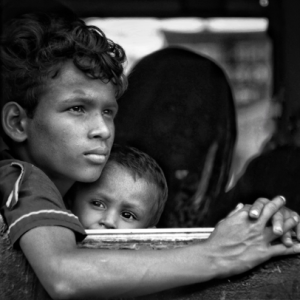
Adopting a child is a life-changing decision that brings profound joy and responsibility. When considering adoption, some parents may read children’s profiles that include a history of severe neglectful environments and biological parents whose children lived on the streets – the appropriate term is street-connected people. This blog post explores the complexities and some of the challenges future adoptive parents need to be aware of.
Street-Connected Children
Street-connected children are among the most vulnerable in society. They face daily harm from adults, including government officials, police, other children, and even their own families. Denied access to basic rights like education and healthcare, these children must also contend with laws that criminalize their very existence—begging or loitering can land them in jail. The stigma and social exclusion they experience can severely impact their mental well-being, varying by country and cultural context.
Understanding the Drivers of Street-Connected Children
To truly grasp the plight of street-connected children, we must understand the factors that drive them to the streets. According to the Consortium for Street Children, these include:
- Poverty
Children from impoverished homes may feel forced to the streets to earn income or find food for themselves and their families. The desperation to survive can push them into dangerous situations, including exploitation and abuse.
- Parental or Carer Deaths
Orphaned children often lack the support they need from national care systems. Without adequate intervention, these vulnerable children end up on the streets, struggling to fend for themselves.
- Parental Neglect
Neglected children are left with no choice but to turn to the streets. Parental neglect can stem from various issues, including addiction, mental health problems, and socioeconomic pressures.
- Violence and Abuse at Home or in Communities
Children fleeing violence or abuse—be it physical, emotional, or sexual—seek refuge on the streets. Tragically, the streets offer little safety, exposing them to further harm and exploitation.
The Impact of Abuse and Neglect on Development
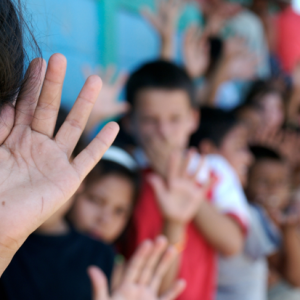
Abuse and neglect can have devastating long-term effects on a child’s development. Such experiences can stunt physical brain development, leading to psychological problems like low self-esteem and difficulty forming relationships. These outcomes vary based on factors such as the child’s age, developmental status, and the nature of the abuse.
Physical abuse has a direct link to physical health. However, maltreatment of any kind can cause long-term physical issues. Early exposure to abuse disrupts healthy development, affecting how children learn, solve problems, and relate to others.
Maltreatment can cause victims to feel isolated, fearful, and distrustful. These feelings can lead to lifelong psychological problems, such as educational difficulties, depression, and relationship issues. Severe deprivation or neglect can disrupt brain development, increasing the risk for attentional, emotional, cognitive, and behavioral disorders. Children who experience severe deprivation typically need therapeutic intervention and supportive care to recover.
The Path to Recovery and Better Life Outcomes

Despite the challenges, there is hope. Abused and neglected children who are adopted often have significantly better life outcomes compared with those who stay in foster care. Research from the University of Oxford and Barnardos (Australia) supports this, highlighting the positive impact of adoption on these children’s lives.
Highly supportive care environments are crucial for the well-being of adopted street-connected children. Consistent, nurturing care helps them develop trust, confidence, and the skills needed for a successful future.
Before starting the adoption process, educate yourself about the unique needs and challenges of street-connected children. Understanding their background and the impact of their experiences will help you provide the support they need.
Establish a support network of professionals, including therapists, social workers, and pediatricians, to provide ongoing care and support. Connect with other adoptive families for shared experiences and advice. Adopting a street-connected child requires a long-term commitment to their well-being. Be prepared to offer continuous support, understanding, and love as they heal and grow.
By adopting a street-connected child, you make a significant difference in their life, breaking the cycle of poverty and abuse. Your love and support can help them overcome their past and build a promising future.