

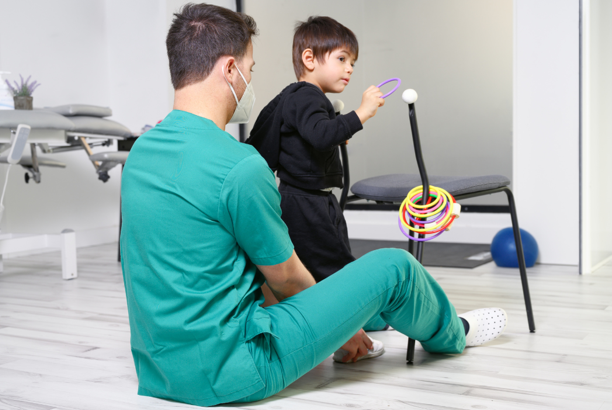
Children with Special Needs
Adopting a child is a life-changing decision that fills prospective parents with hope, excitement, and perhaps a touch of apprehension. When considering adopting a child with special needs, these feelings can be even more pronounced. But with the right information and support, the process can be incredibly rewarding. Many children eligible for international adoption have disabilities or medical conditions that require specialized care. While this may initially seem intimidating, it’s important to recognize that these conditions vary greatly and may not be as daunting as they first appear.
Understanding the Spectrum of Special Needs
The term “special needs” covers a broad range of physical, emotional, and intellectual challenges. Disabilities can include autism, Down syndrome, cerebral palsy, and visual impairments, among others. Each child is unique, and their needs will vary. The local authority responsible for the child will conduct thorough assessments to determine their current and ongoing needs, ensuring the chosen adoptive family can provide the appropriate support.
The Importance of Research
Before embarking on this adoption journey, it’s crucial to educate yourself on the types of medical conditions and disabilities you may encounter. Understanding the differences between mild, moderate, and severe special needs can help you prepare for the level of care your child might require.
-
Mild Special Needs
Children with mild special needs often require basic services and can respond well to interventions like therapy and medication management. These children might need additional therapy, including speech, occupational, and physical, as well as educational supports through an Individualized Education Plan (IEP).
-
Moderate Special Needs
For children with moderate needs, there might be issues in one or more areas of functioning. They may require a combination of individual therapy, medication management, and educational supports, possibly outside the general classroom setting. A team of medical specialists often provides diagnosis and guides ongoing treatment.
-
Severe Special Needs
Children with severe special needs may face significant challenges in one or more areas of functioning, posing a critical danger to themselves or others. Intense services, including therapy, medication management, and specialized education, are typically needed. These children often have a history of hospitalization or placements in group homes.
Common Special Needs in Adoption
Understanding common conditions such as developmental delays, learning disabilities, and emotional or behavioral needs is essential. Each child’s situation is unique, and the level of care required will depend on their specific circumstances.
-
Developmental Delays
Children delayed in their physical, emotional, intellectual, or educational development might improve with proper care. However, some delays might be due to past disruptions or genetic factors.
-
Learning Disabilities
Children with learning disabilities may face significant challenges but can reach their potential with the right support. Special educational needs might require personalized educational plans to help them succeed.
-
Emotional and Behavioral Needs
Many children in need of adoption have experienced lack of care, supervision, or abuse. They may have attachment issues, making it difficult for them to bond with caregivers. Therapeutic support and a nurturing environment can help these children thrive.
Exploring Medical Conditions
Familiarizing yourself with various medical conditions will prepare you for the potential challenges you may face. Conditions such as autism, ADHD, cerebral palsy, and Down syndrome, among others, each come with unique considerations and care requirements.
Fostering a Supportive Environment
Creating a supportive environment is crucial for children with special needs. This includes a stable home, access to medical professionals, and a network of supportive family and friends. Joining communities of adoptive parents and engaging with special needs advocacy groups can provide valuable resources and support.
The Role of Professional Guidance
Working with adoption professionals who specialize in special needs can provide invaluable guidance. They can help you understand the adoption process, advocate for your child’s needs, and connect you with necessary resources.
Financial Considerations
Adopting a child with special needs may come with financial implications, including medical treatment, therapy, and educational support costs. Understanding these potential expenses and exploring financial assistance options can help ease the burden.
A final word
For each adoptive parent, the special needs that they are accepting and can handle are different due to their experiences with others who have special needs, training, and the knowledge of those special needs. Parents should only be accepting of special needs that they can handle. Adopting a child with special needs is a profound commitment that brings unique challenges and unparalleled rewards. By understanding the spectrum of needs, building a supportive environment, and accessing the right resources, prospective parents can create a nurturing home where their child can flourish. If you’re considering this path, remember that you’re not alone. Countless families have embarked on this rewarding journey and found immense joy and fulfillment. For those ready to take the next step, reach out to adoption experts and support networks to begin this incredible adventure.