


Adopting a Child with Cerebral Palsy or Hypertonia: What You Should Know
Adopting a Child with Cerebral Palsy or Hypertonia | Children’s House International
Learn about adopting a child with mild Cerebral Palsy or hypertonia. Discover support options, medical insights, and how Children’s House International helps families navigate special needs adoption with confidence and care.
Introduction
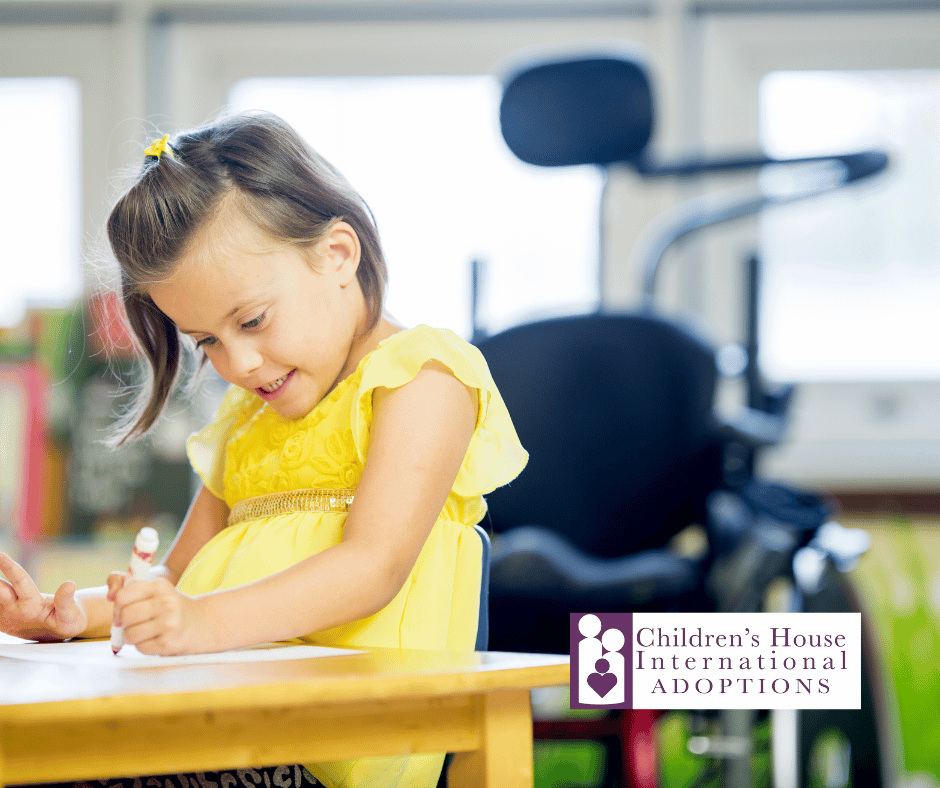
Adopting a child with special needs can feel overwhelming at first, but it often becomes one of the most rewarding decisions a family ever makes. For many prospective adoptive parents (PAPs), terms like Cerebral Palsy (CP) or hypertonia might seem intimidating. But the truth is: many children with these conditions lead happy, healthy, and independent lives—and they just need a family willing to learn and support them.
At Children’s House International, we believe in empowering families through ongoing education and compassionate guidance. That includes giving you the tools to understand conditions like CP and connect with medical professionals who specialize in international adoption evaluations.
In this post, we’ll answer common questions and clear up misconceptions about adopting a child with mild CP or hypertonia, so you can feel confident and informed as you consider opening your heart and home.
What Is Mild Cerebral Palsy and Hypertonia?
Cerebral Palsy (CP) is a condition that affects a child’s muscles and movement. It’s caused by a brain injury or abnormal development that happens before, during, or shortly after birth. Some children have more noticeable symptoms, while others may have only mild signs that don’t affect their everyday life very much.
Mild CP usually includes:
- Slight stiffness or weakness in one part of the body
- Trouble with balance or coordination
- A limp or awkward walk
- Delays in reaching movement milestones like crawling or walking
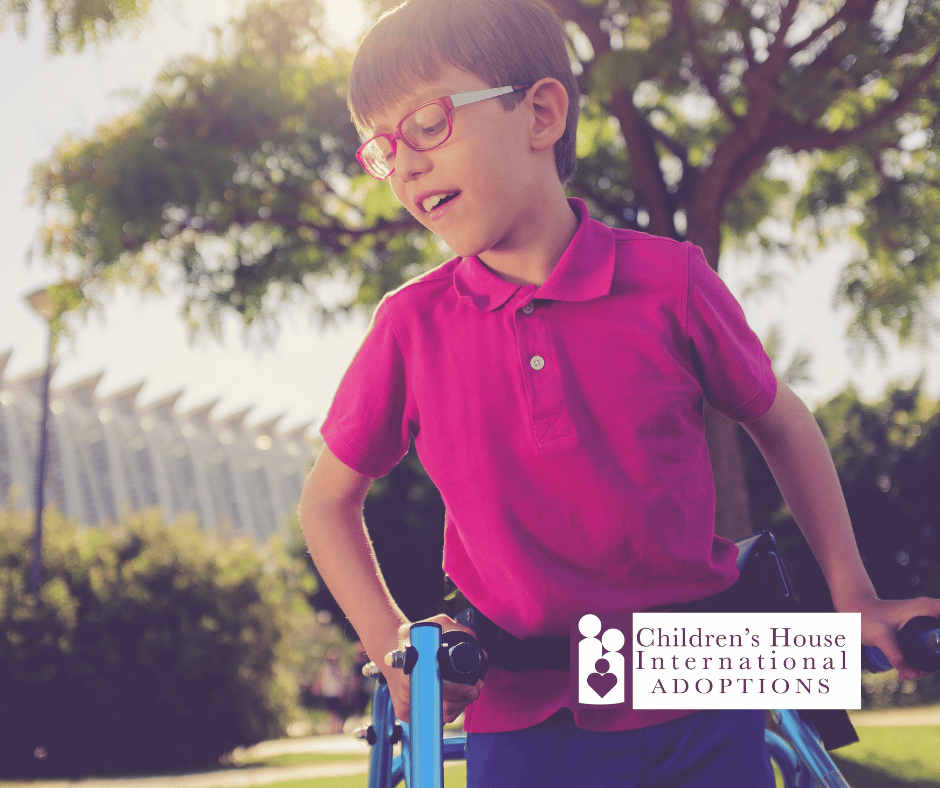
Children with mild CP can often walk, play, go to school, and enjoy everyday life just like any other child—with some extra support.
Hypertonia means a child has tight or stiff muscles. It can make movements harder, but it isn’t a diagnosis by itself. In some cases, a child may be labeled as having “hypertonia” before doctors confirm a diagnosis of CP—or they may be misdiagnosed altogether. That’s why it’s important to have a qualified medical expert review each child’s records.
Many children with mild CP or hypertonia have completely normal intelligence.
They may need therapy, but they’re fully capable of learning, bonding, and thriving in a loving family.
CP Does Not Get Worse Over Time
One of the most common fears parents have about Cerebral Palsy is that it might get worse over time. The good news is: Cerebral Palsy is a non-progressive condition. That means the brain injury that caused it does not worsen as the child grows.
What can change are the child’s needs, especially during growth spurts:
- Muscles may feel tighter as the child grows taller
- Some children may need braces, stretching exercises, or new therapy plans
But with regular therapy and care, children often improve their movement and independence over time.
✅ With proper support, children with mild CP often go on to live independent, active, and fulfilling lives.
At Children’s House International, we offer education and resources so families feel confident and supported at every stage.
Medical Evaluations in International Adoption
Many PAPs wonder how accurate medical information is when adopting internationally. The good news is: international medical files are often thorough and reliable, especially when coordinated through experienced agencies.
Better still, additional evaluations can often be arranged while the child is still in their country of origin.
Children’s House International helps families by:
- Providing resources to locate doctors who specialize in international adoption
- Guiding PAPs to experts who can review medical files, request updated reports, and provide a second opinion
- Supporting informed decision-making with access to trusted professionals
Sometimes, children are labeled with “hypertonia” when they may have CP—or vice versa. That’s why having a specialist involved early in the process can help clarify the child’s true needs and potential.
📌 Ask your agency or doctor to help you request updated developmental videos or in-country assessments when needed.
Support for Families Adopting a Child with CP
There are many resources available to help families adopting a child with CP or hypertonia.
💵 Social Security Income (SSI)
- Children with CP who meet movement-related criteria may qualify for monthly SSI
- SSI also grants automatic access to Medicaid
🏥 CHIP & Medicaid
- Many adopted children qualify for Medicaid or CHIP, covering:
- Therapy (PT, OT, speech)
- Doctor visits
- Equipment and medications
🧩 Early Intervention & School Services
- Children under 3 may receive Early Intervention services through state programs
- School-aged children may qualify for:
- IEPs (Individualized Education Programs)
- 504 Plans for classroom accommodations
🤝 Support from CHI
Children’s House International provides:
- Parenting education for children with CP
- Referrals to adoption medical specialists
- Ongoing support before and after placement
Why You Should Consider Adopting a Child with CP or Hypertonia
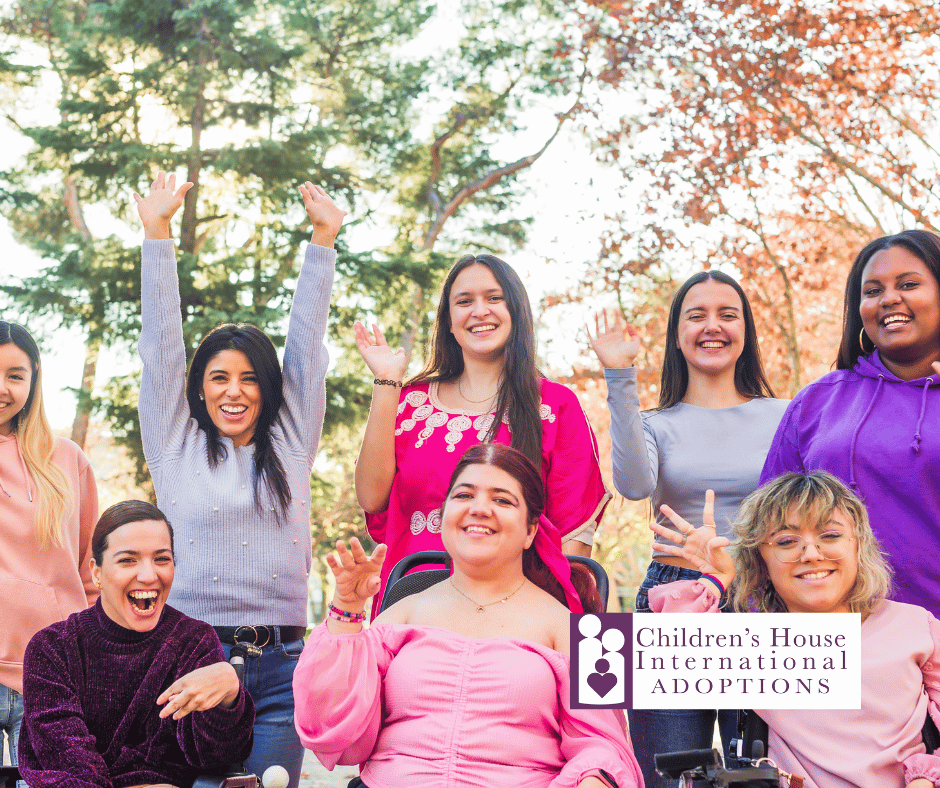
Sadly, many children with CP or hypertonia are passed over due to misunderstanding. But these children have so much love to give—and so much potential.
💡 Many Have Normal Intelligence
Children with mild CP are often bright and eager to learn. Many attend mainstream schools and go on to live independently.
🚶 Mild Symptoms Are Manageable
A child may walk with a limp or need help with fine motor skills—but with therapy and support, many kids gain independence.
❤️ They Are Strong, Loving, and Resilient
These children often show incredible determination and affection. They are ready to bond and thrive in a supportive home.
🧭 You’re Not Alone
Children’s House International will be there to guide you, offering:
- Educational tools
- Expert referrals
- Encouragement and advocacy from day one
Conclusion
Adopting a child with Cerebral Palsy or hypertonia may feel like a big step—but it’s one that can lead to a life filled with joy, growth, and purpose. These children may need some extra help, but their ability to love, laugh, and succeed is just as great as any other child’s.
At Children’s House International, we are here to support you with resources, education, and a compassionate team. If you’re open to the possibility, we encourage you to learn more.
Sometimes, the child you’re meant to love is the one you never expected.