


Adopting a Child with Behavioral Issues: A Guide of Hope
Navigating the adoption journey? Learn about adopting a child with behavioral issues, trauma-informed parenting, and finding the right adoption support.
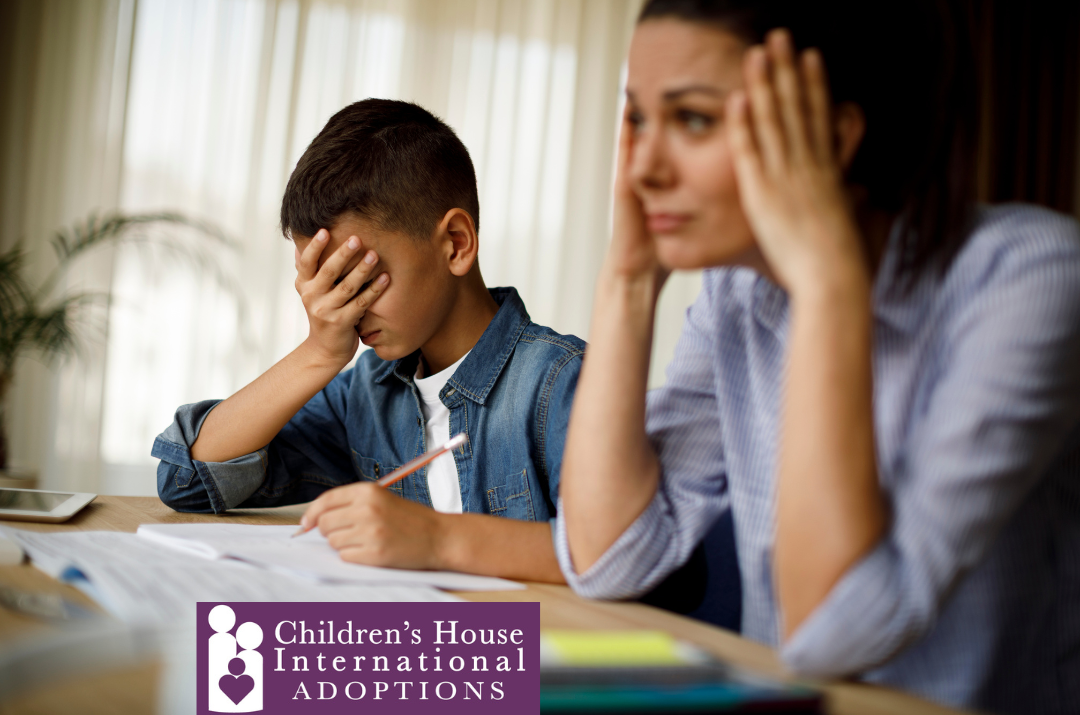
Welcoming a new child into your family is a beautiful, life-changing milestone. It brings immense joy, deep connection, and naturally, a unique set of challenges. Every child has their own specific needs and behaviors. For children joining a family through adoption, these behaviors often carry the heavy weight of their early life experiences.
If you are considering adopting a child with behavioral issues, you might feel a mix of excitement and apprehension. This is a completely normal reaction. The journey requires patience, education, and an open heart. Fortunately, you do not have to walk this path alone.
Understanding the root causes of these behaviors is the first step toward building a strong, loving bond. With the right adoption support and professional guidance, you can create a safe haven for your child. Let’s explore what parents need to know about navigating behavioral challenges and how to foster a thriving, resilient family.
Understanding the Root of Behavioral Challenges
Children who join families through adoption often experience a major disruption in their early lives. Before finding their forever home, they may have lived in institutional settings, like orphanages, or navigated multiple foster homes. These environments deeply shape how a child learns to survive and interact with the world.
Behaviors that helped a child adapt in an orphanage might become maladaptive in a loving family home. For instance, hoarding food makes sense for a child who previously experienced food insecurity. While this behavior can feel confusing to a new adoptive parent, it is simply a survival mechanism.
Furthermore, many adopted children have a history of childhood trauma. This might include exposure to physical or emotional neglect, abandonment, or other adverse experiences. Trauma physically alters how a young brain develops, directly impacting a child’s ability to process information and regulate emotions.
Recognizing Common Behavioral Responses
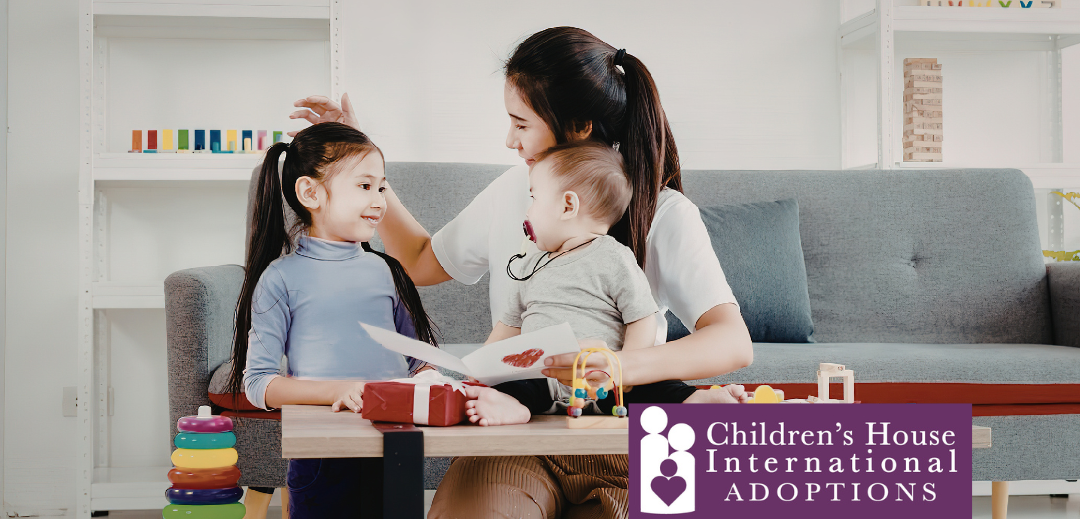
When adopting a child with behavioral issues, it helps to know what to expect. Children often express their internal struggles through outward actions. You might observe violent tantrums or sensory self-stimulation, especially during times of high stress or extreme excitement.
Oppositional behaviors and aggression are also common. Research indicates that children from institutional settings often struggle to understand emotions in others. This leads to missed social cues and misunderstandings, which can frustrate both the child and the parent.
Additionally, many adopted children grapple with mental health conditions. Diagnoses like oppositional defiant disorder (ODD), conduct disorders, and attention deficit hyperactivity disorder (ADHD) frequently appear. Underlying feelings of rejection, shame, or loss can manifest as deep anxiety and depression. Recognizing these behaviors as symptoms of a deeper struggle helps parents respond with empathy rather than frustration.
The Power of Trauma-Informed Parenting
Traditional parenting strategies often fall short when raising an adopted child. Time-outs or strict disciplinary measures that work for biological children might actually trigger a trauma response in an adopted child. This is why trauma-informed parenting is absolutely essential.
Trauma-informed parenting requires you to look beyond the immediate behavior. Instead of asking, “What is wrong with you?” this approach asks, “What happened to you?” It shifts the focus from punishment to connection.
Building trust takes time and consistency. A child must feel completely safe before they can begin to heal. Parents can foster this safety by establishing highly predictable routines, offering choices to give the child a sense of control, and responding to outbursts with calm, emotional regulation.
Embracing Cultural Sensitivity and Identity
Adoption often blends different cultures, ethnicities, and races into one family. This beautiful diversity also introduces complex identity challenges for the child. Adopted children frequently struggle with their sense of belonging, especially when their cultural or racial background differs from their adoptive parents.
Cultural differences can heavily influence a child’s behavior in ways that might surprise you. Certain communication styles, expressions of respect, or personal boundaries might stem from their cultural background rather than defiance.
Parents must make proactive efforts to learn about and honor their child’s heritage. Talk openly about race, ethnicity, and cultural norms. Incorporate traditions from their birth country into your daily family life. Ignorance or indifference in this area only increases tension, fuels identity crises, and can lead to significant behavioral and mental health struggles.
Proactive Steps for Adoptive Families
Preparation makes a world of difference. Before bringing your child home, take the time to gather a thorough background history. Understand their medical history, parental history, and psychological background as comprehensively as possible. This knowledge equips you to anticipate their needs.
Once your child is home, ensure equal treatment among all siblings. Showing favoritism or bias toward non-adopted children creates confusion, anxiety, and aggressive behaviors. Every child in the home must feel equally valued and secure.
Most importantly, address mental health issues early. Do not wait for a crisis to seek help. If you notice your child struggling, connect with professionals immediately. Delaying intervention can escalate unwanted behaviors and increase the risk of self-harm or severe depression. Individualized evaluations from psychologists, social workers, and therapists provide invaluable guidance.
Discover Trusted Adoption Support
Navigating the complexities of adoption requires a dedicated village. You need professionals who understand the nuances of childhood trauma, institutionalization, and cross-cultural family dynamics. Finding the right agency ensures you have the necessary tools to help your child flourish.
The dedicated staff at Children’s House International is ready to help your family. We understand that every child and family possesses unique needs. Our team provides guidance, connecting you with the educational and therapeutic resources vital for your success.
If you are ready to explore the beautiful path of adoption, reach out to us today. Together, we can build a strong, loving foundation for your child’s future.