


Understanding Loss and Grief in Adopted Children

Adoption is a life-changing experience—for both parents and children. While it brings hope and a brighter future, it also comes with an undercurrent of loss and grief, often misunderstood or overlooked. No matter the circumstances of their personal story, every adopted child experiences loss at some level.
Recognizing the Layers of Loss in Adoption
Loss for an adopted child is multifaceted. It unfolds differently for each child based on their life experiences, but it often encompasses the following elements of loss and change:
- Family: Separation from birth parents and, in some cases, foster families.
- Culture: Leaving behind traditions, customs, and a sense of identity tied to their upbringing.
- Friends: Saying goodbye to friendships, especially for older children.
- Homes & Neighborhoods: Moving into a new and unfamiliar environment.
- Familiar Comforts: Foods, smells, or caregivers they’ve grown attached to.
Even when a child is leaving circumstances perceived as “bad” by external observers, they may still grieve the loss of everything that felt “normal” to them. This is where some adoptive parents get caught off guard. While they might expect gratitude from their child, adoptees are often too consumed by grief to express such emotions early on.
The Role of Trauma in Adoption
Grief in the context of adoption is inseparable from trauma, even when the adoption takes place under the best of circumstances. Believing that an adoptive family can escape these realities is unwise; instead, being proactive in addressing trauma is key.
What Adoptive Families Should Know:
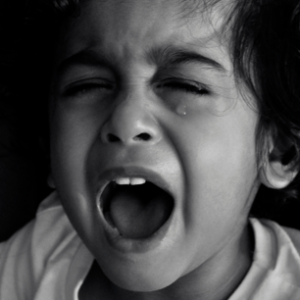
- The grief and trauma adopted children experience are often compounded when they’ve lived with multiple caretakers or in the foster care system.
- Disruptions in living arrangements can leave children hesitant to emotionally bond with new caregivers for fear of another separation.
- Some children may become withdrawn, appearing sullen or “unfeeling,” others may overcompensate as “pleasers,” striving to be the “perfect child” to avoid perceived risks of being discarded again, while others might act out as a way of testing the adoptive family into “truly” commit to them.
International Adoption Adds Another Layer
For children adopted from other countries, the challenges of adjustment and grief are magnified. These children may experience additional forms of loss, such as their language, friends from orphanages, and unfamiliarity with traditional family dynamics. Without the language skills to express emotions, their grief often goes unnoticed but manifests in other ways.
The Stages and Manifestations of Grief
Every child copes with grief in their own way, but understanding its stages can help adoptive families recognize and respond more effectively. Children may work through the stages of grief—including denial, bargaining, anger, depression, acceptance, and guilt—in no particular order.
Be especially mindful of guilt, as many adopted children blame themselves for their circumstances. They may carry an unfair sense of responsibility for being separated from their birth parents or moved between foster homes.
Signs Your Child May Be Grieving:
- Constant crying or sadness
- Anger and aggression
- Trouble forming relationships or trusting people
- Fear of connecting in emotionally meaningful ways
- Making up “alternative stories” about their past
- Depression, hyperactivity, or poor impulse control
While it’s natural to feel frustrated by these behaviors, it’s critical to see them through a compassionate lens. These outward expressions of grief are part of their healing process.
Steps for Supporting Adopted Children Through Loss
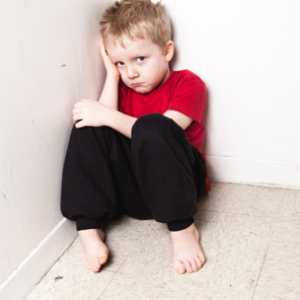
Adoptive parents and caregivers play an instrumental role in helping children process grief. Here’s how you can help:
- Acknowledge Their Loss
Avoid minimizing or dismissing your child’s grief. Create a safe space for open and honest conversations. Express empathy and understanding by validating their feelings.
- Educate Yourself About Trauma and Grief
Learn how trauma impacts a child’s development and behavior. Whether through online resources, training, or professional guidance, commit to deepening your knowledge.
- Watch for Triggers
Identify situations or objects that may remind your child of their loss. Understanding these triggers helps you prepare and respond sensitively when they occur.
- Be Patient
Grieving is not a linear process, nor is it quick. Have compassion for your child as they work through these deeply rooted emotions.
- Seek Professional Help
If your child’s grief feels overwhelming, don’t hesitate to consult with therapists or counselors who specialize in adoption and child trauma.
- Focus on Building Trust
Trust is the foundation for emotional healing. Show consistency, create routines, and ensure your child feels secure in all aspects of family life.
Recommended Resources
To deepen your understanding and gain practical tools, explore these valuable resources:
- The 3-5-7 Model
Created by the North American Council on Adoptable Children, this model provides a structured approach to help children work through grief, build relationships, and move toward emotional well-being. https://wearefamiliesrising.org/resource/3-5-7-model-work-through-grief/
- When Children Grieve
A practical guide for parents to help their children cope with emotional losses. This book offers relatable advice to better understand and address grieving behaviors. https://www.amazon.com/When-Children-Grieve-Adults-Divorce/dp/0060084294
Final Thoughts
The grief and loss that adopted children carry are profound but not insurmountable. With empathy, patience, and informed support, adoptive parents can help their children heal and thrive in their new families. Remember, your child’s grief isn’t a reflection of their love for you but rather a natural part of their emotional process.