


Adopting Out of Birth Order

Adopting out of birth order is a choice that comes with its own set of challenges and opportunities. While fostering or adopting allows families to grow without regard for traditional birth order, it also disrupts the established roles within a family. Understanding these dynamics is crucial for any adoptive or foster parent considering this path.
What is Adopting Out of Birth Order?
When a new child joins a family and does not take the position of the youngest child, it disrupts the natural birth order. For instance, if you have a 9-year-old and decide to adopt a 12-year-old, the new child will disrupt the birth order. This scenario is quite different from bringing in a 4-year-old who naturally becomes the youngest.
In the past, adoption professionals often discouraged adopting out of birth order. Some still do not permit hopeful adoptive parents to adopt a child older than their existing children. The primary concern has always been the impact on the existing family dynamics and the adjustment period for all children involved.
Understanding the Impact on Each Child
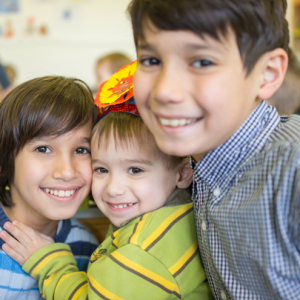
Adopting out of natural birth order can complicate family dynamics because it affects each child’s psychological and developmental roles. Each child must adapt to their new position within the family, which can be challenging but achievable with the right preparation and support.
One often overlooked aspect is the birth order of the child you are adopting. If this child was the oldest in their biological family and now becomes the youngest in your family, they might struggle with the shift in responsibilities and roles. These children come with personality traits developed from their original birth order, which can make adjustment difficult.
When adopting, it’s essential to consider not just the chronological age but also the emotional and developmental age of the child. Many adopted children are emotionally and developmentally younger than their chronological age due to past trauma or neglect. This difference can impact how well they fit into a new birth order.
Preparing for a Positive Experience

If you’re considering adopting a child older than your biological or other adopted children, here are some thoughts to ensure a smoother transition for everyone involved.
Each child grows and develops at their own pace. Avoid making comparisons and allow each child to explore their interests and strengths independently. Many older children have experienced trauma, leading to special emotional, developmental, and behavioral needs. It’s crucial to address these needs thoughtfully to ensure a positive experience for all family members. The success of adopting out of birth order often depends on your family’s unique dynamic and the personalities of the children involved. Gender, age, and the number of children in the home also play a significant role in how well everyone adjusts. Talk openly with your children about the new sibling’s arrival. Discuss their feelings, concerns, and expectations to prepare them mentally and emotionally. Seek help from adoption professionals or counselors if your family is struggling with the transition. They can provide valuable insights and strategies to smooth the process. Stay informed and educated about the complexities of adopting out of birth order. Attend workshops, read literature, and engage with support groups to better understand and manage the challenges. Exercise patience with your children as they adapt to their new roles. Offer yourself plenty of grace and patience too. Transitioning to new roles takes time for everyone involved.
A continuous path
If you’re considering this path, remember that every family is different, and success depends on preparation, flexibility, and support. Explore more resources and connect with adoption professionals to ensure a smooth transition for your growing family.