


Building Bonds through Adoption

Building a deep, meaningful bond with an adopted child is an essential aspect of the adoption process. It goes beyond providing a new home; it’s about creating a nurturing environment where the child feels safe, loved, and understood.
The Power of Bonding in Adoption
Bonding is more than just a feel-good factor; it’s a scientifically-backed necessity for healthy child development. Research shows that a supportive relationship significantly impacts a child’s ability to thrive despite adversity. When a child feels secure and understood, they are more likely to overcome challenges and develop resilience.
For adoptive parents, building this bond can be particularly crucial. Adopted children, especially those from foster care or international adoptions, may have faced trauma or instability in their early years. Developing a strong attachment helps them transition into their new lives with confidence and comfort.
Preparing for the Bonding Journey
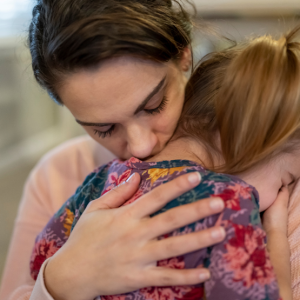
Preparation is key to a successful bonding experience in adoption. Prospective parents should begin preparing even before the placement occurs. This preparation involves understanding potential issues that might arise based on the adoption circumstances, such as language barriers in international adoptions or dealing with trauma, loss, and grief.
Preparation isn’t just about anticipating challenges; it’s also about equipping oneself with the skills and knowledge needed to create a loving, supportive environment. This proactive approach lays a strong foundation for a successful bonding experience.
Consistency and Time The Pillars of Bonding
Consistency and time are two critical elements in the bonding process. The longer a parent is there to provide consistent, loving care, the more the child realizes they’re safe and secure. With time and consistent effort, both parent and child become more comfortable and confident in their interactions.
This doesn’t happen overnight. It’s a gradual process that requires patience and dedication. But as trust builds, the bond strengthens, creating a solid foundation for the child’s emotional well-being.
Consistency doesn’t just mean being physically present; it involves actively engaging with the child, understanding their needs, and providing unwavering support. This commitment fosters a sense of stability, which is crucial for any child, adopted or not.
Every child is unique, with their own set of needs, likes, and dislikes. The best way to nurture a healthy attachment is by closely observing what the child needs and determining how best to make them feel supported, safe, and loved.
This involves active listening and paying attention to their cues. It’s about being attuned to their emotional state and responding appropriately. By doing so, parents can create an environment where the child feels valued and understood.
Routines play a vital role in helping adopted children feel secure and settled in their new environment. Every child craves routine, whether explicitly expressed or not. Once established, a routine provides a sense of accomplishment and control for the child.
Navigating Challenges with Older Children
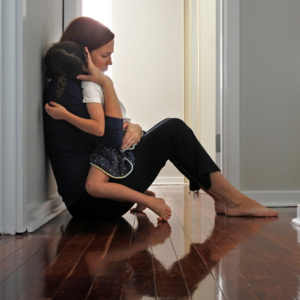
Older children may face more difficulties with attachment due to their past experiences. They might have moved between multiple foster homes or never had a consistent caregiver. Establishing permanency is key to building trust and overall bonding with your child.
For these children, the fear of losing their new life or caretaker is very real. It’s crucial for parents to reassure them that they’re here to stay and that the child is an integral part of the family.
Building trust with older children requires patience, understanding, and a willingness to meet them where they are. It involves acknowledging their past experiences and providing a safe space for them to heal and grow.
Seeking Support from Specialists
Parents of older children may wish to connect with specialists in post-adoption services. These experts can provide valuable insights and strategies for building a strong bond with the child.
Support can come from adoption agencies, medical providers, or therapists specializing in adoption-related issues. They offer guidance and resources tailored to the unique needs of adoptive families.
Talking to an outside party can be incredibly beneficial. It provides a fresh perspective and expert advice that can help families navigate challenges and strengthen their bond.
Bonding with an adopted child is a unique process that requires time, patience, and understanding. It’s essential to set realistic expectations and recognize that progress may be slow but steady.
Every child’s bonding process is different, and comparing it to others can lead to frustration. Instead, focus on the small victories and milestones, celebrating each step towards a stronger bond.