


Building Bonds: Relationships Between Biological and Adoptive Siblings
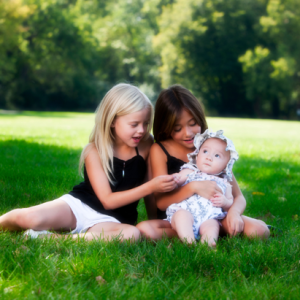
Whether you are thinking of adopting a child after having biological children, or are expecting a biological child after adopting, the prospect of forming a cohesive family unit can be both exciting and daunting.
Understanding the Dynamics
Sibling relationships can be complex, and adding adoption into the mix introduces unique dynamics. While sibling rivalry and bickering are almost guaranteed from time to time, it is entirely possible for all your children to coexist harmoniously regardless of their biological or adoptive status.
Your adopted child may feel inferior to your biological child, especially if they were older when adopted. This feeling can stem from various factors, including past experiences and the attention surrounding the adoption process. Conversely, biological children might feel sidelined during discussions about the adoption story. Therefore, it is essential to be sensitive to each child’s emotions and validate their feelings to build trust and emotional security.
Families sometimes assign polarized roles among siblings, labeling them as the good, bad, smart, athletic, introverted, or outgoing one. These roles can influence how parents treat each child and how siblings interact. It’s crucial to avoid such labels and treat each child as an individual with unique strengths and needs.
Explaining adoption to your biological child can feel overwhelming, but it is an important step in the preparation process. Ensure your biological child understands what adoption is, how it works, and why it is a positive choice for your family. This understanding can help them feel more secure and accepting of their new sibling.
Addressing Mental Health Issues
Adopted children with untreated mental health issues or past trauma can exhibit troubling behavior that impacts the family’s quality of life. Other children in the family who become targets of such behavior may need professional help to cope. In these situations, sibling conflicts should be addressed in psychotherapy sessions to uncover the underlying issues and work towards resolution.
When a particularly troubled child traumatizes other children in the family, professional intervention is crucial. Therapy can help identify the root causes of conflict and facilitate healing. Over time, with appropriate support, a troubled youth can learn to manage their emotions and behavior, paving the way for lasting sibling connections.
Ensuring Fair Treatment
As your children grow, it is important to avoid giving one child special treatment. Household chores should be split fairly, and discipline should be consistent. While each child has individual needs, ensuring fairness can prevent feelings of resentment and promote harmony.
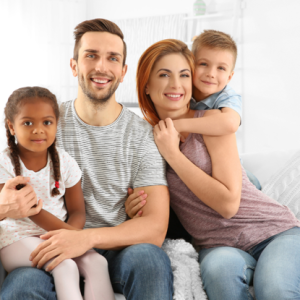
Most adopted children do not look like their parents and siblings. Whether your adopted child is of a different race or ethnicity or simply looks different, it is important to acknowledge and celebrate these differences. Doing so helps children feel valued and accepted for who they are.
Open and honest communication is vital for building trust among siblings. Encourage your children to express their feelings and listen to each other. Regular family meetings can provide a safe space for discussing any concerns and celebrating achievements.
Building a cohesive family unit with biological and adoptive siblings is a continuous journey. It requires patience, empathy, and a commitment to fostering love and understanding. Remember, the goal is not perfection but creating a supportive and loving environment where all your children can thrive.
An on-going journey
Blending biological and adoptive siblings into a cohesive family unit is a rewarding yet challenging endeavor. By addressing emotions, ensuring fair treatment, celebrating differences, setting a positive tone, and fostering trust and communication, you can create a harmonious and loving family environment. For more personalized guidance, consider reaching out to adoption experts or family therapists who can provide additional support and resources.