

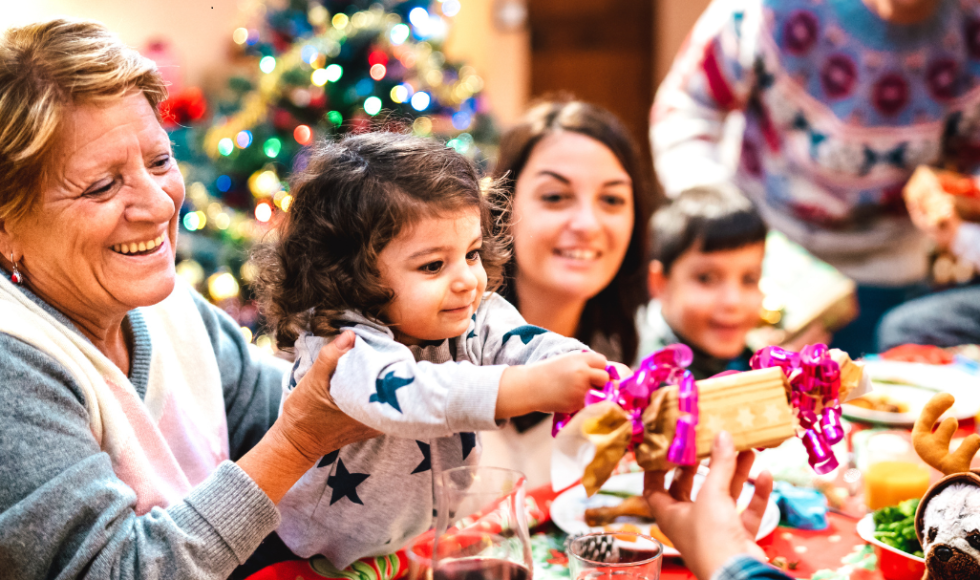
Making Your First Christmas as an Adoptive Family Memorable

Christmas is often described as “the most wonderful time of the year,” filled with festive music, sparkling decorations, and cherished traditions. But for adoptive families, especially those celebrating their first holiday season together, the experience can take on a deeper significance. It’s a time to create shared memories, establish new traditions, and nurture the bond in your growing family. However, it’s also important to acknowledge that for many children, Christmas can be a challenging time, especially if they’ve experienced trauma or difficult past holiday seasons.
The Emotional Complexity of Christmas for Adopted Children
For some children, Christmas can be a special and magical experience, while for others, it may bring about feelings of vulnerability or anxiety. Memories of past holiday seasons—whether joyful or painful—can have a lasting impact. This is particularly true for children with histories of neglect, trauma, or instability, as certain sensory triggers or unfamiliar traditions might evoke challenging emotions.
Here are a few realities adoptive families should consider as they prepare for the holiday season:
- Overwhelming Sensory Changes
Big changes such as decorations, new smells from festive foods, and unfamiliar sounds (like holiday music or toys) may become overwhelming for children, especially if they experience sensory processing issues.
- Triggers Without Awareness
An adopted child might feel uneasy during Christmas but struggle to articulate why. They may not specifically remember past events but could be reacting subconsciously to triggers.
- Discomfort with Gift-Giving
For some children, receiving expensive or numerous presents might feel overwhelming or undeserved, especially if they’re still building a sense of security in your family. Watching others as they open gifts could also create feelings of anxiety.
Establishing Stability and Reassurance During the Holidays

The holiday season is not just about grand gestures or elaborate celebrations—it’s about creating a sense of safety and home. This principle is especially significant in adoptive families. Prioritize your child’s need for stability and comfort over external expectations.
- Set Clear Expectations
Talk to your child about what Christmas in your household will look like. If they’re old enough, involve them in the planning. This can include discussing things like when the tree will go up, what decorations you’ll use, and how you’ll spend the day. Predictability can provide great comfort.
- Focus on Family Time Over Perfection
Holiday preparations often leave parents busy with cooking, shopping, and social obligations. However, children—particularly those with histories of neglect—are very attuned to where your time and energy go. Keeping the focus on family time reassures your child of their place in this new home.
- Adjust Gift Traditions
Choose smaller, meaningful items rather than extravagant gifts that might overwhelm. Always celebrate the thought behind each gift to reinforce their sense of worth.
Honoring Your Child’s Past Traditions
For many adopted children, Christmas can be a complex emotional experience that combines their past identities with their new family environment. Being mindful of this duality is an essential part of creating an inclusive and caring celebration.
- Include Their Holiday Traditions
If your child is old enough to share, ask about the holiday traditions they once celebrated. Incorporating these traditions into your celebrations (even in small ways) can help them feel valued and connected to their past.
- Consider Cultural Significance
If your adopted child comes from a different cultural background, research and incorporate meaningful elements of their heritage into your holiday plans. This could include preparing food from their culture, teaching songs or stories, or introducing traditions that reflect their origins. For transracial adoptions, honoring a child’s racial and cultural identity plays a major role in developing their self-esteem.
- Be Open to New Traditions
View this first Christmas as an opportunity to create new traditions as a family.
Managing Expectations as an Adoptive Parent
It’s natural to want this first Christmas to be picture-perfect, but it’s essential to balance those expectations with reality. First and foremost, what your child needs most is your presence and patience, not elaborate plans or expensive gifts. Instead of aiming for perfection, focus on meaningful, quiet moments together. A cozy night watching holiday movies, for instance, could leave a lasting impact far more than a busy schedule packed with activities. Keep an eye out for signs of overstimulation or stress in your child and offer breaks when needed. Quiet spaces during busy days can make all the difference.
Building Your Bond One Memory at a Time
While every family is different, the heart of the holiday season is universal—connection and love. For adoptive families, Christmas offers a beautiful opportunity to strengthen bonds, create new traditions, and honor each family member’s unique story.
Remember, it’s not about perfection—it’s about presence. Be patient with yourself and your child, and remember that what matters most is the time you spend together. With an open heart and thoughtful planning, you can make this first Christmas as an adoptive family a truly memorable one.