


Blending Families: Biological and Adopted Children
Considering blending biological and adopted children? This friendly guide covers adoption family dynamics, sibling relationships, and offers support for your journey.

Considering adoption is a journey filled with excitement, hope, and many questions. If you already have biological children or plan to have them in the future, a common question is: “How will we navigate blending our family with both biological and adopted children?” It’s a valid concern, and you’re not alone in thinking about the potential challenges and joys that lie ahead.
Creating a family is a beautiful process, no matter how it happens. Understanding the unique dynamics of blending can help you build a strong, supportive, and loving home for all your children. Here at Children’s House International, we’re here to guide you through it.
Understanding Each Child’s Unique Story
Every child who enters your family, whether biologically or through adoption, has a story that is uniquely their own. For biological children, that story often begins with you. For adopted children, especially those from international adoptions, parts of their story may be unknown. They might have limited information about their birth history, their biological family, or their early life experiences.
This difference can be a source of complex feelings for an adoptee, particularly when they have siblings who know their entire family history. It is vital to create an environment where all feelings are affirmed—even the difficult ones like sadness or curiosity about the unknown. As an adoptive parent, one of your most important roles will be to hold space for your adopted child’s experiences and engage with their questions, even when you don’t have all the answers.
Navigating Sibling Relationships and Family Dynamics
The arrival of a new child changes family dynamics, and this is true whether the child is born into the family or joins through adoption. Open communication and preparation are key to making this transition as smooth as possible.
The Importance of Birth Order
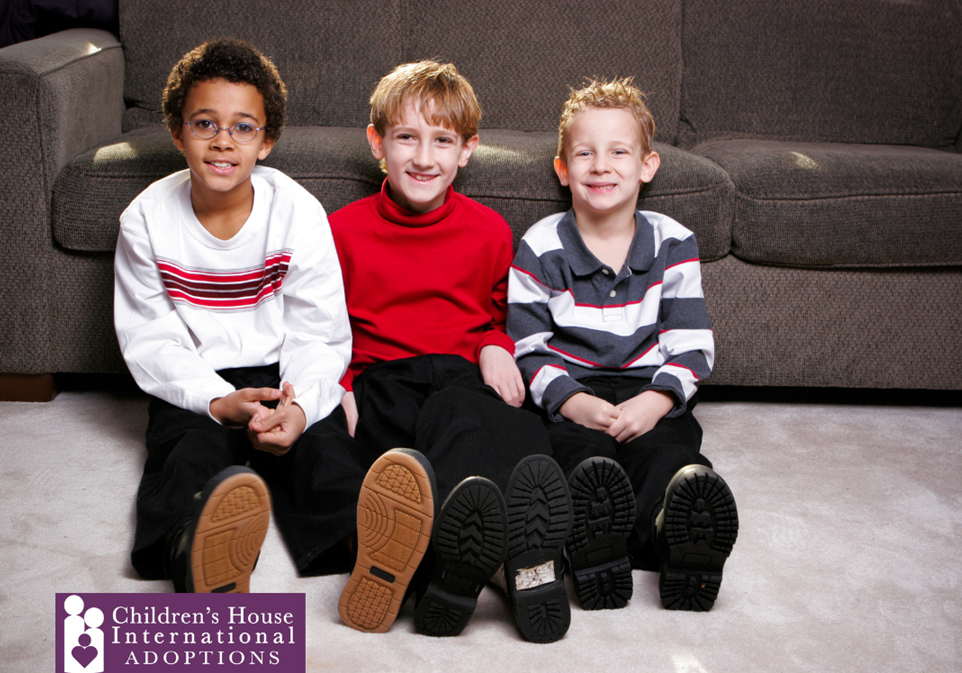
Children naturally find their roles within a family, often influenced by their birth order. The oldest child gets used to being the oldest, and the youngest enjoys their position as the baby of the family. For this reason, many adoptive families choose to adopt a child who is younger than their youngest biological child. This approach helps maintain the existing birth order and the established roles within the family.
Adopting an older child, or “out of birth order,” can also be a wonderful way to grow your family, but it requires special consideration. You’ll want to think about the feelings of your oldest biological child, who may be displaced from their role. Discussing the possibility with your children and considering everyone’s personalities is crucial before making a decision.
Age Gaps and Developmental Stages
You should also consider the age gap between your children. While children close in age aren’t guaranteed to be best friends, it can sometimes be easier for parents to manage similar developmental stages at the same time. On the other hand, a larger age gap might give you more one-on-one time with each child. There is no right or wrong answer—it’s about what works best for your family.
Explaining Adoption to Your Biological Children
Talking to your biological children about adoption can feel daunting, but it’s a vital step in preparing your family. Frame adoption as a normal, beautiful way to build a family. There are many age-appropriate books and resources that can help you explain the process.
Your goal is to instill pride in your family’s adoption journey from the very beginning. An adopted child’s siblings should never treat them differently because they are adopted, and that positive foundation starts with you.
Fair and Consistent Parenting is Key
Jealousy and insecurity can surface when a new child joins any family. It’s important to reassure all your children that your love is not a limited resource. Involve your biological children in the preparations—let them help pick out toys, decorate a room, or draw welcome pictures.
Avoid Special Treatment
To foster a sense of equality, it’s essential to treat all children fairly. This means:
- Dividing chores equitably.
- Offering praise consistently.
- Applying discipline in the same manner for all children.
Be mindful of favoritism that might come from extended family members as well. Gently remind grandparents, aunts, and uncles that all your children are equally part of the family.
Parenting Children with Trauma
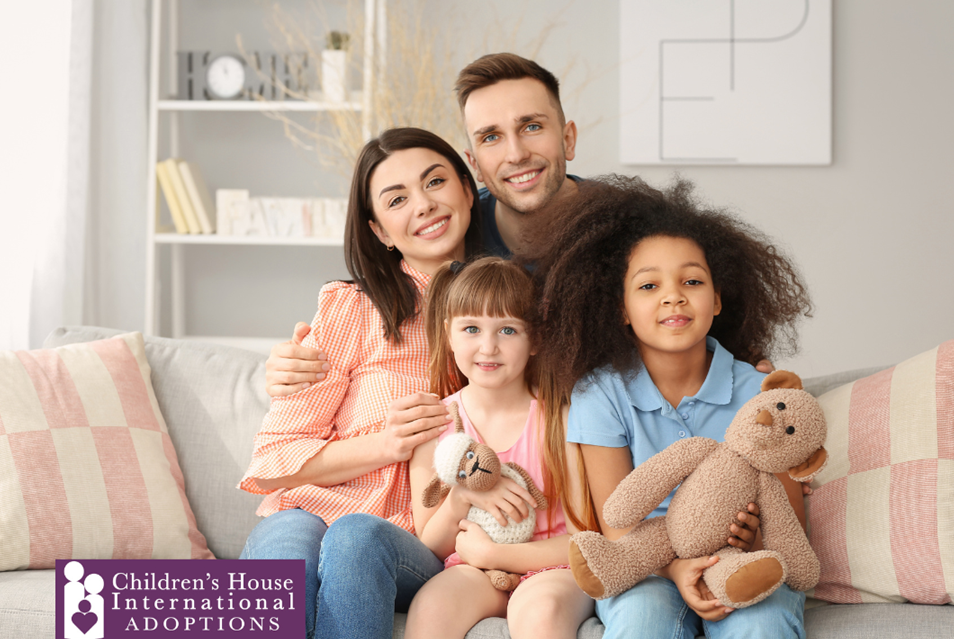
It’s also important to recognize that parenting a child who has experienced early life trauma is different. The strategies that work for your biological children may not be effective for your adopted child. Their experiences have shaped their worldview, and they may have different emotional needs or neurodiversity. The preparation and training you receive during the adoption process will be an invaluable tool in learning new parenting strategies.
Celebrating Diversity and Heritage
In many blended families, especially transracial ones, physical and cultural differences will be apparent. Teach all of your children that these differences are beautiful and should be celebrated.
If your adopted child comes from a different cultural background, make an effort to incorporate their heritage into your family’s life. Celebrate their culture’s holidays, cook traditional foods, and learn about the customs of their birth country. This not only honors your child’s identity but also enriches your entire family.
Building a Support System
You don’t have to navigate this journey alone. Finding other families who have also blended biological and adopted children can be an incredible source of support and wisdom. They are walking a similar path and can offer encouragement, share what they’ve learned, and remind you that you’re part of a larger community.
When to Seek Professional Help
If you notice significant behavioral changes in any of your children or feel that your family is struggling to adjust, don’t hesitate to seek professional help. A family counselor or an adoption professional can provide specialized guidance to help your family work through challenges and strengthen your bonds.
Children’s House International Is Here for You
Blending a family with biological and adopted children is a unique and rewarding experience. It requires patience, open communication, and a willingness to learn and adapt.
The team at Children’s House International is ready and willing to help you every step of the way. From initial training to post-adoption support, we provide the resources you need to confidently navigate your adoption journey.
Visit our website for more information and to connect with our team: https://childrenshouseinternational.com/