

Looking Beyond the Photo: What Parents Should Know About Waiting Children and Special Needs Adoption
Learn the truth about waiting child adoption and special needs adoption — why photos may be outdated, medical information limited, and how Children’s House International supports families through expert reviews, home study guidance, and country-specific adoption education.
For many prospective adoptive parents, the moment they first see a waiting child profile is powerful and emotional. You scroll through the list, pause at a smiling face, and start to imagine them in your family. But in international adoption, what you see is only part of the story — and understanding that can help you make a better-informed, more compassionate decision.
At Children’s House International, we work closely with families exploring special needs adoption and waiting child adoption programs in countries such as India, Bulgaria, Colombia, Ecuador, Georgia, Honduras, Hungary, Mexico, Portugal, Romania, Hong Kong, Brazil, and Ghana.
1. Why Photos Don’t Tell the Whole Story
Many waiting child photos are outdated — sometimes taken months or even years before you see them. Children grow, change, and develop quickly. The shy toddler in the photo might now be a bubbly preschooler, and the serious-faced boy may be laughing and active today. International adoption profiles are not always real-time, so it’s important to read the full child description and request updates when possible.
2. Medical Information Is Often Limited — and Needs Expert Review
Medical histories in international adoption are sometimes incomplete or based on limited evaluations. A child’s medical file may be missing details, or the diagnosis could change after thorough examinations once the child is home.
At Children’s House International, we strongly encourage families to have a child’s medical information reviewed by a pediatrician who specializes in international orphan medicals. We can also request additional information and arrange for further testing before a family commits to moving forward.
Our website provides medical resources to help prospective adoptive parents make the most informed decision — ensuring the best outcome for both the child and the family.
3. Country-Specific Rules About Photos
In countries like India, laws prohibit posting the photos of orphans or waiting children publicly on the internet. Instead, profiles are shared through private, password-protected listings or in-office viewings. This protects children’s privacy and dignity but can be frustrating for parents who want to “see” before they decide.
4. Understanding “Special Needs” in Adoption
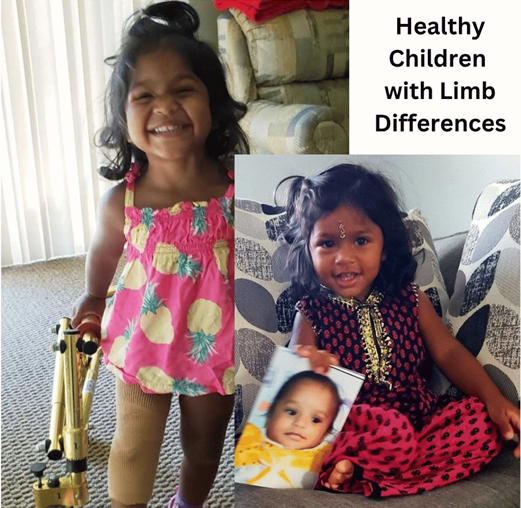
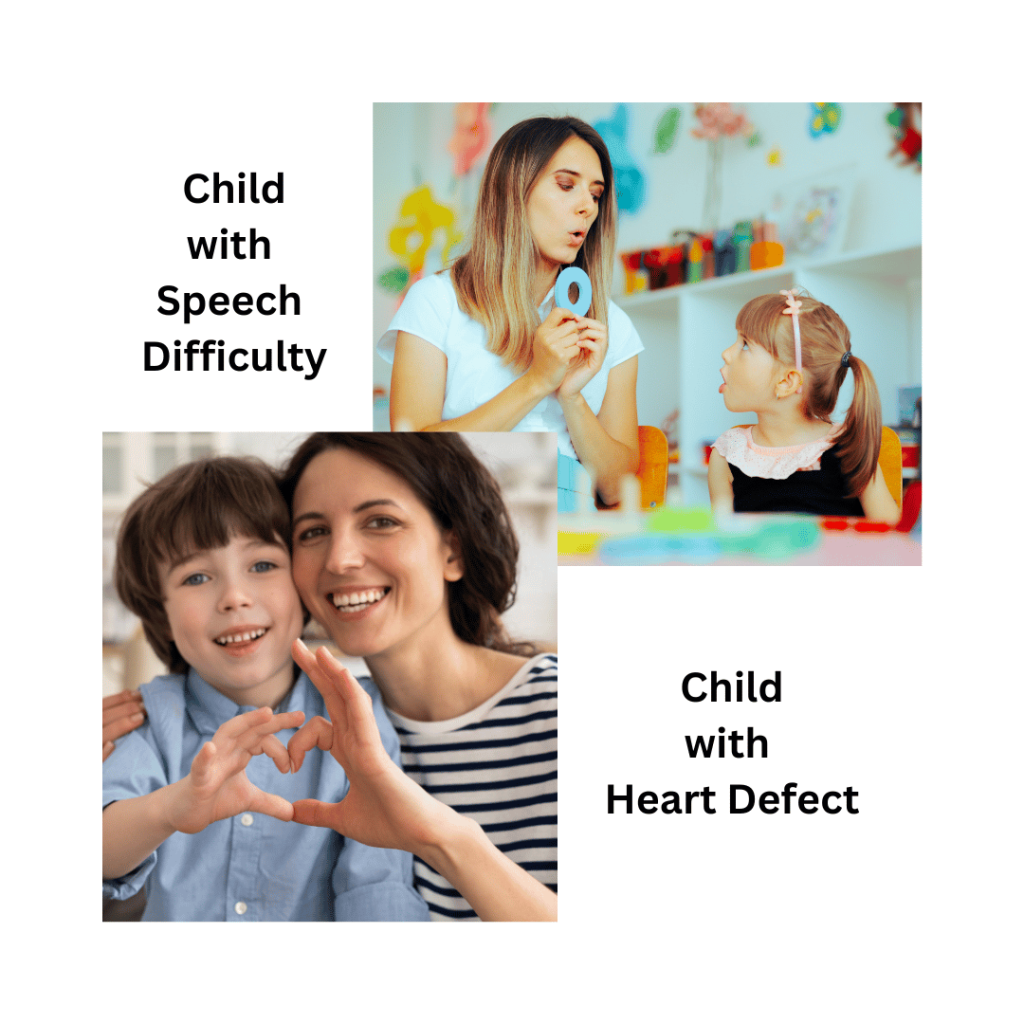
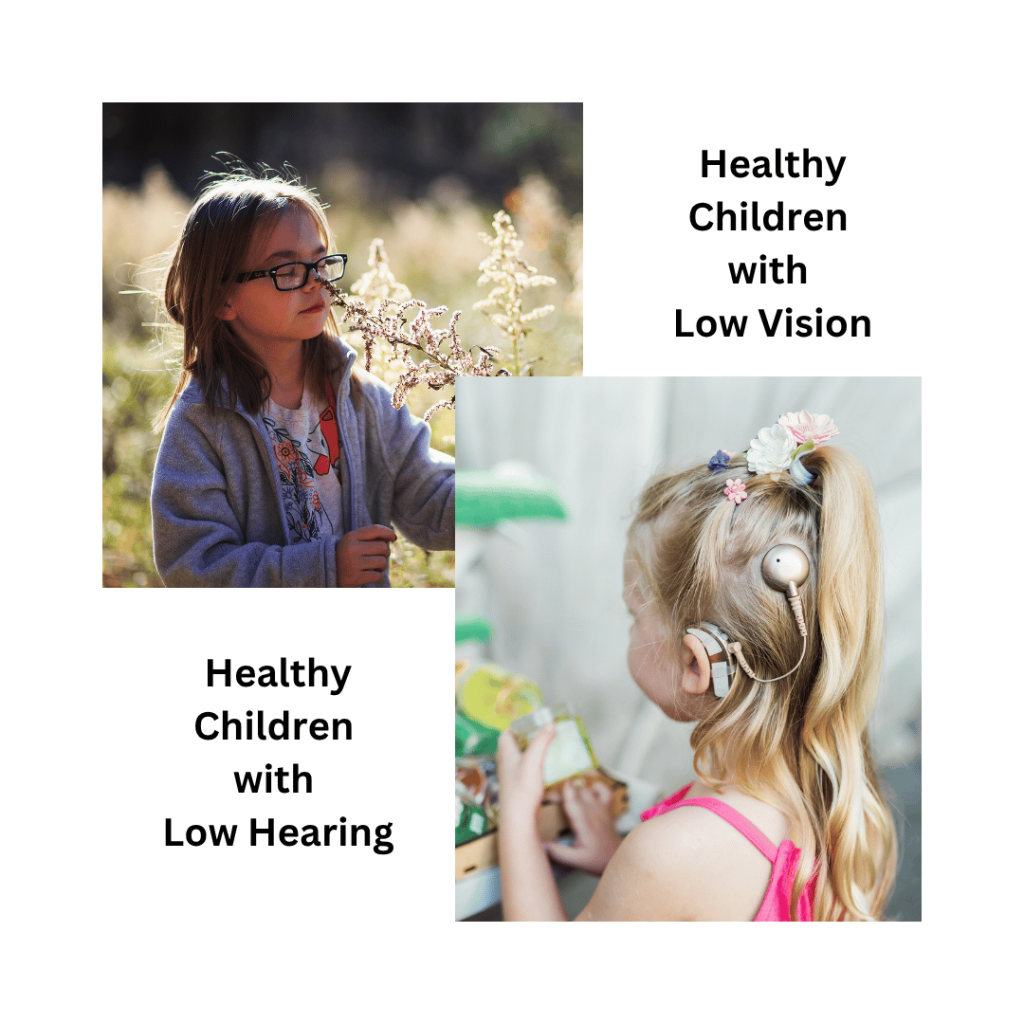
The term special needs adoption often includes a wide range of situations — from mild, correctable conditions like clubfoot or cleft lip to more complex medical, developmental, or emotional needs. It can also include older children, sibling groups, or those from backgrounds where placement is more challenging.
5. Home Study Approval Parameters Matter
Before you can adopt a child from the waiting child list, your home study must be written to approve you for a specific age range, number of children, and level of special needs.
If you decide to pursue a child with more significant needs than your home study currently allows, you will need:
- Additional adoption education tailored to that child’s needs
- An official home study update or amendment to expand your approval parameters
6. Why Some Children Wait Longer
Some children remain on waiting child lists longer due to age, gender, sibling status, or specific medical diagnoses. Older children and sibling groups are often harder to place, even though they can thrive in the right family.
7. How Profiles Are Created and Updated
Child profiles are usually created by orphanage staff, social workers, or government adoption authorities. Updates can be slow due to workload, travel distances, or bureaucratic processes.
8. The Emotional Impact of Viewing Waiting Children
Looking at lists of waiting children can be overwhelming. You may feel joy at the thought of a match, sadness for those still waiting, or frustration over missing information.
9. Matching Is More Than Choosing a Photo
International adoption matching is a careful process. Agencies consider the child’s needs, the family’s capacity, cultural compatibility, and long-term stability.
10. Cultural Connections Matter
When adopting a waiting child internationally, understanding their culture can help with bonding and adjustment. Many agencies, including Children’s House International, provide country-specific adoption education and cultural resources.
11. The Role of Advocacy and Patience
Advocating for a waiting child means being patient, flexible, and proactive. Sometimes it takes months (or longer) to complete the legal, medical, and travel requirements.
Thinking About Adopting a Waiting Child?
If your heart is open to special needs adoption or adopting from the waiting child list, reach out to Children’s House International today.
We’ll guide you through the process, provide free adoption education through our partner Creating a Family, and connect you with grants, resources, and country-specific adoption teams.
📩 Contact us today to learn more about our international adoption programs and start your journey toward welcoming a child into your family.